Mullein is a beautiful large plant that thrives in disturbed areas. Mullein is also full of medicinal and beneficial components like mucilage, flavonoids, iridoids, sterols, and sugars.
Mullein as a Medicine
Medicinally, mullein is traditionally used for lung and bronchial ailments such as coughs, asthma, congestion, and colds. Additionally, it is thought that mullein has anti-inflammatory and anti-viral properties. This is a great plant to have on hand during the cold season!
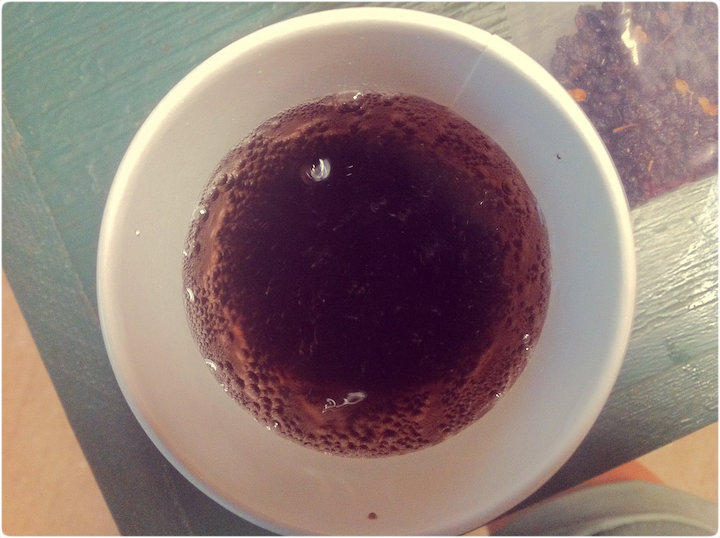
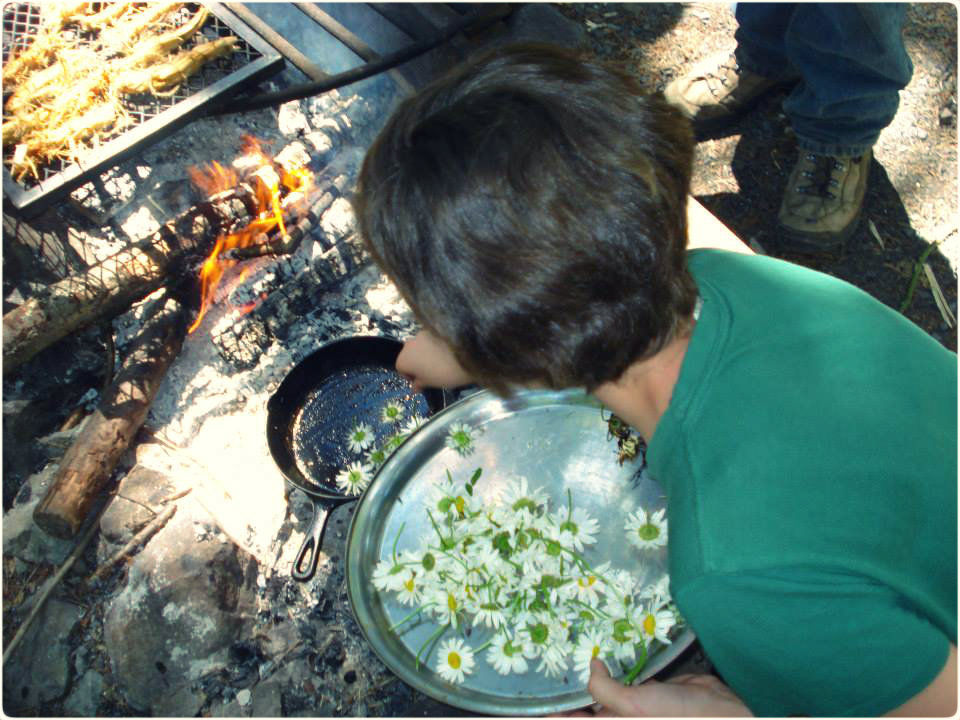
During one of Wolf College’s Herbal overnight camps, the campers had the opportunity to use their new herbal knowledge to treat a lingering wet cough. To make a soothing cough syrup, we harvested some mullein leaves and flower, as well as some blue elderflowers (Sambucus cerulea). The cough syrup had a gentle floral flavor and the addition of honey made it a great-tasting natural medicine.
Ingredients for Mullein & Honey Cough Syrup:
- Mullein leaves and flowers (and please note that because mullein loves to live in disturbed areas, we have to be careful to check for pollution or other contaminants before harvesting; in addition, the seeds contain several compounds (glycosides, saponins, coumarin, rotenone) that are toxic to fish, and have been widely used as piscicide, so just stick with the leaves and flowers which have little (if any) scientific study but as-yet little (if any) toxicity reports.
- Elderflowers from blue elderberry, de-stemmed and rinsed (all elder stems, leaves and seeds contain cyanide-inducing glycosides, so absolutely remove all stems and leaves, and note that before preparing medicine, wine, jams, syrups and other products, either strain the seeds, or heat (simmer) the berries to neutralize the glycosides)
- Organic honey (can’t go wrong with that:)
Cough Syrup Directions:
- First, make sure that the plant materials are clean and dry, and again, the elderflowers should be completely de-stemmed.
- Next, we need to make a hot infusion. In a medium pot, bring water to a boil and steep the mullein flowers, elderberry flowers, and the mullein leaves for 10 minutes. Alternatively, you can make a cold infusion: 1 oz of leaves and flowers in 1 quart of water for 4 hours.
- When ready, strain the infusion through a strainer bag, and place the infusion back on the stove.
- On a low simmer, stir in honey until dissolved. The affected person can also stand over the infusion and breathe in the steam for help with congestion and croupy cough.
- Let cool before consuming. Don’t forget to label with the name, date, and ingredients!
- Store in the fridge.
* Dosage: Take like a ‘regular’ cough syrup – 1 teaspoon every 3 or 4 hours. * For educational purposes only. This information has not been evaluated by the Food and Drug Administration. This information is not intended to diagnose, treat, cure or prevent any disease. We recommend that you consult with a qualified health care practitioner before using herbal products, particularly if you are pregnant, nursing or on any medications.
** Please read our Honorable Harvesting Guidelines before harvesting any plant material. The final guideline is of utmost importance: “Never put anything in your mouth unless you are 100% sure it is safe to ingest.” ***
For more information on herbal medicine, check out these posts:
- How to Make an Herbal Salve
- How to Make an Herbal Syrup
- Wolf Camp’s Top Native Plants to Learn for Herbal Medicine
- Wolf Camp’s Tenets of Herbal Medicine

Hannah began her apprenticeship at Wolf Camp in 2013 and graduated as a lead herbal instructor in 2014. Hannah graduated from the University of Oregon in 2014 with a Bachelor’s Degree in Foreign Languages.
Discover more from Wolf Camp & School of Natural Science
Subscribe to get the latest posts sent to your email.